

Blog
Blackout Curtains vs Sheer Curtains: Which One Is Right for Your Home?

Curtains are not decorative afterthoughts. They directly influence light control, privacy, temperature regulation, noise absorption, and overall interior aesthetics. Choosing the wrong curtain type leads to daily inconvenience — harsh glare, overheating rooms, poor sleep, or lack of privacy.
Two of the most popular options are blackout curtains and sheer curtains. They serve completely different purposes. Many homeowners make the mistake of choosing based on looks alone. That’s shortsighted.
This guide breaks down the real differences, advantages, limitations, room-wise recommendations, maintenance factors, climate considerations, and buying checklist so you can make a decision based on function — not just appearance.
Understanding Blackout Curtains


4
What Are Blackout Curtains?
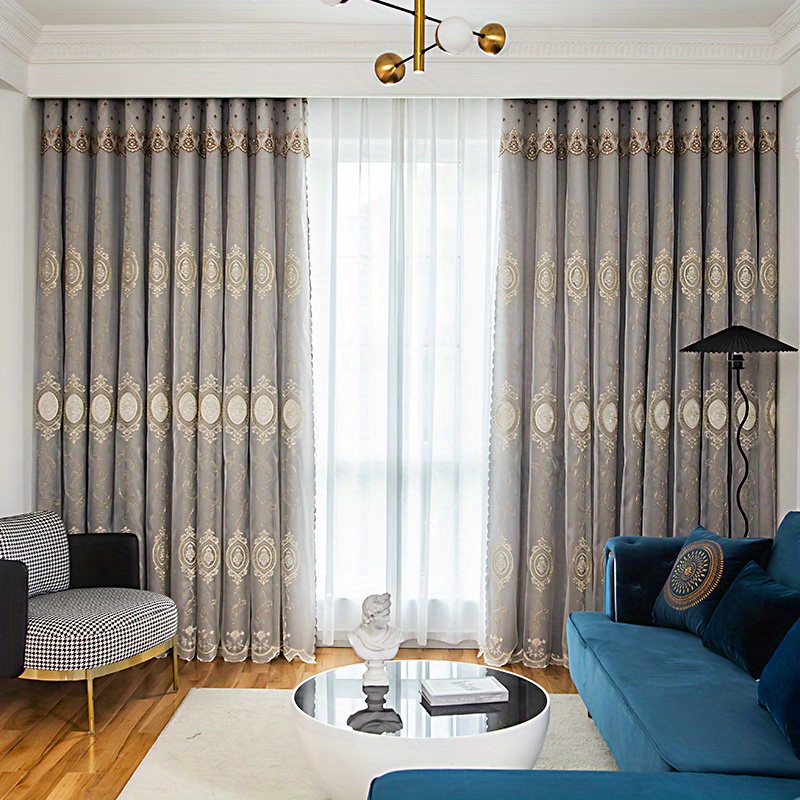
Blackout curtains are heavy, tightly woven or layered curtains designed to block 85–100% of external light. They often include multiple fabric layers or a special foam backing that prevents light penetration.
They are engineered for:
- Light control
- Privacy
- Thermal insulation
- Noise reduction
These are functional curtains first, aesthetic pieces second.
Key Features of Blackout Curtains
1. Light Blocking Capability
They significantly reduce sunlight entering a room. High-quality blackout curtains can block nearly all visible light.
2. Thermal Insulation
Thick fabric helps reduce heat transfer. In hot climates, they limit solar heat gain. In cold weather, they reduce heat loss.
3. Privacy
They prevent visibility from outside, even at night when lights are on.
4. Noise Reduction
While not soundproof, dense material absorbs some ambient noise.
Where Blackout Curtains Work Best
- Bedrooms
- Home theaters
- Nurseries
- Rooms facing harsh sunlight
- Urban homes with privacy concerns
If sleep quality matters, blackout curtains are often non-negotiable.
Understanding Sheer Curtains


4
What Are Sheer Curtains?
Sheer curtains are lightweight, semi-transparent fabrics that filter light rather than block it. They are designed to soften daylight while maintaining airflow and openness.
They prioritize:
- Natural light
- Soft aesthetic
- Decorative layering
Sheers create ambiance, not darkness.
Key Features of Sheer Curtains
1. Light Diffusion
They allow sunlight to enter but soften glare.
2. Visual Openness
They make rooms feel larger and brighter.
3. Air Circulation
Lightweight material allows airflow.
4. Layering Flexibility
Often paired with blackout curtains for dual functionality.
Where Sheer Curtains Work Best
- Living rooms
- Balconies
- Dining areas
- Daytime spaces
- Homes needing brightness
If you love natural light, sheer curtains preserve it.
Direct Comparison: Blackout vs Sheer Curtains
| Feature | Blackout Curtains | Sheer Curtains |
|---|---|---|
| Light Control | Blocks 85–100% | Filters light |
| Privacy | High (Day & Night) | Limited (Night visibility risk) |
| Thermal Insulation | Strong | Minimal |
| Noise Reduction | Moderate | Very Low |
| Aesthetic Feel | Bold & Structured | Soft & Airy |
| Best For | Bedrooms | Living Spaces |
| Maintenance | Heavier, less frequent wash | Frequent washing needed |
They are not competitors. They serve different purposes.
Light Control: The Core Difference
Light affects mood, productivity, and sleep cycles.
If You Need Darkness
Choose blackout curtains.
Essential for:
- Shift workers
- Babies
- Light-sensitive sleepers
- Media rooms
If You Need Soft Natural Light
Choose sheer curtains.
Ideal for:
- Morning light exposure
- Decorative styling
- Open-plan spaces
Trying to force sheer curtains to perform like blackout curtains is unrealistic.
Privacy Considerations
This is where many buyers make mistakes.
Daytime
Sheer curtains provide partial privacy because outdoor light is stronger than indoor light.
Nighttime
Sheer curtains offer almost no privacy when lights are on.
Blackout curtains provide privacy regardless of time.
If your home faces a busy street, sheers alone are not enough.
Climate & Energy Efficiency
Your local climate matters.
Hot Climate


4
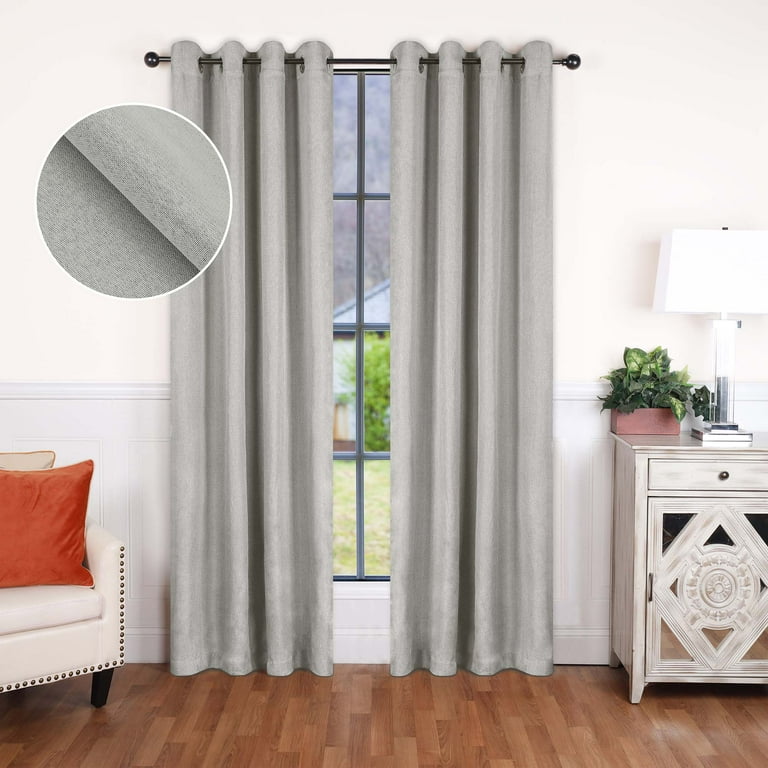
Blackout curtains reduce solar heat entering your home. That means:
- Lower AC usage
- Reduced energy bills
- Cooler rooms
Sheers provide almost no heat resistance.
Cold Climate
Blackout curtains help retain indoor warmth.
Sheers do not.
If energy efficiency is a goal, blackout wins.
Aesthetic & Interior Design Impact
Blackout Curtain Style
- Structured
- Formal
- Dramatic
- Statement-making
Works well in:
- Modern interiors
- Luxury bedrooms
- Dark accent rooms
Sheer Curtain Style
- Minimal
- Scandinavian
- Coastal
- Contemporary
Works well in:
- Bright interiors
- Neutral themes
- Open living areas
Your curtain choice changes the mood of the room significantly.
Can You Use Both Together?
Yes. And often, that’s the smartest solution.


4
Layering offers:
- Daytime brightness (sheer)
- Nighttime privacy (blackout)
- Visual depth
- Design flexibility
This dual system is common in premium homes and hotels.
Room-by-Room Recommendations
Bedroom
Choose blackout.
Optionally layer with sheer for daytime aesthetics.
Living Room
Sheer if privacy isn’t critical.
Layered setup for versatility.
Nursery
Blackout is essential. Sleep cycles depend on light control.
Home Office
Depends on screen glare.
If sunlight hits monitor directly → Blackout or light-filtering.
If not → Sheer may work.
Dining Area
Sheer enhances ambiance.
Maintenance & Durability
Blackout Curtains
- Heavier
- Require strong curtain rods
- Washed less frequently
- Long-lasting
Sheer Curtains
- Attract dust faster
- Require frequent washing
- Delicate handling needed
If you want low maintenance, blackout is more practical.
Cost Consideration
Blackout curtains:
- Generally more expensive
- Long-term energy savings possible
Sheer curtains:
- Usually cheaper
- Lower functional value
Cheap blackout curtains often don’t block full light.
Quality matters more than price tag.
Common Mistakes to Avoid
- Buying blackout without checking light-block percentage.
- Using sheer alone in bedrooms.
- Ignoring curtain rod strength.
- Not measuring window width properly.
- Choosing style over functionality.
Be practical first. Aesthetic second.
Fabric Types to Look For
Blackout Curtain Materials
- Polyester triple-weave
- Foam-backed fabric
- Thermal-lined cotton
Sheer Curtain Materials
- Voile
- Chiffon
- Lace
- Linen blends
Material quality directly impacts durability.
Color Selection Strategy
For Blackout Curtains
- Dark colors = Maximum blocking
- Neutral tones = Modern look
- Rich shades = Luxury aesthetic
For Sheer Curtains
- White = Bright & classic
- Cream = Warm tone
- Light pastels = Soft decor
Avoid overly bright synthetic colors that fade quickly.
Installation & Hardware Tips
- Use double curtain rods for layering.
- Ensure curtain width is 1.5–2x window width for fullness.
- Floor-length curtains look more premium.
- Mount rod higher to create illusion of taller ceilings.
Improper installation ruins even the best curtains.
Who Should Choose Blackout Curtains?
- Light-sensitive sleepers
- Urban apartment residents
- Families with babies
- Hot climate homes
- Movie enthusiasts
If comfort and control matter, blackout is the clear winner.
Who Should Choose Sheer Curtains?
- Homes prioritizing natural light
- Minimal interior lovers
- Low-privacy environments
- Decorative-focused spaces
If ambiance matters more than control, sheers excel.
Final Decision Framework
Ask yourself:
- Is this room for sleeping or socializing?
- Do I need privacy at night?
- Does sunlight overheat the room?
- Do I prefer brightness or darkness?
- Am I willing to layer curtains?
Your answers determine the choice clearly.
Conclusion
Blackout curtains and sheer curtains are not interchangeable. They solve different problems.
- Choose blackout for control, privacy, and insulation.
- Choose sheer for light, elegance, and openness.
- Combine both for maximum flexibility.
Don’t choose based on trend. Choose based on lifestyle.